About PRIME
About us
The NUS-Lancet PRIME Commission is an expert Commission established by the National University of Singapore and The Lancet. It centred on a key question: how could pandemic preparedness extend beyond plans on paper to ensure that all people were actually protected in a health crisis? The Commission set out to understand how and why protection broke down in the COVID-19 pandemic, and propose practical ways those weaknesses could be overcome.
The Commission’s full name — Pandemic Readiness through Institutions, Mobilising Communities and Equity — reflects the three elements the Commission sees as central to making pandemic readiness work in practice.
Our Vision
PRIME envisions a world where all people and communities are equitably protected before, during and after a health crisis, and where outbreaks are prevented from becoming pandemics.
What is pandemic readiness?
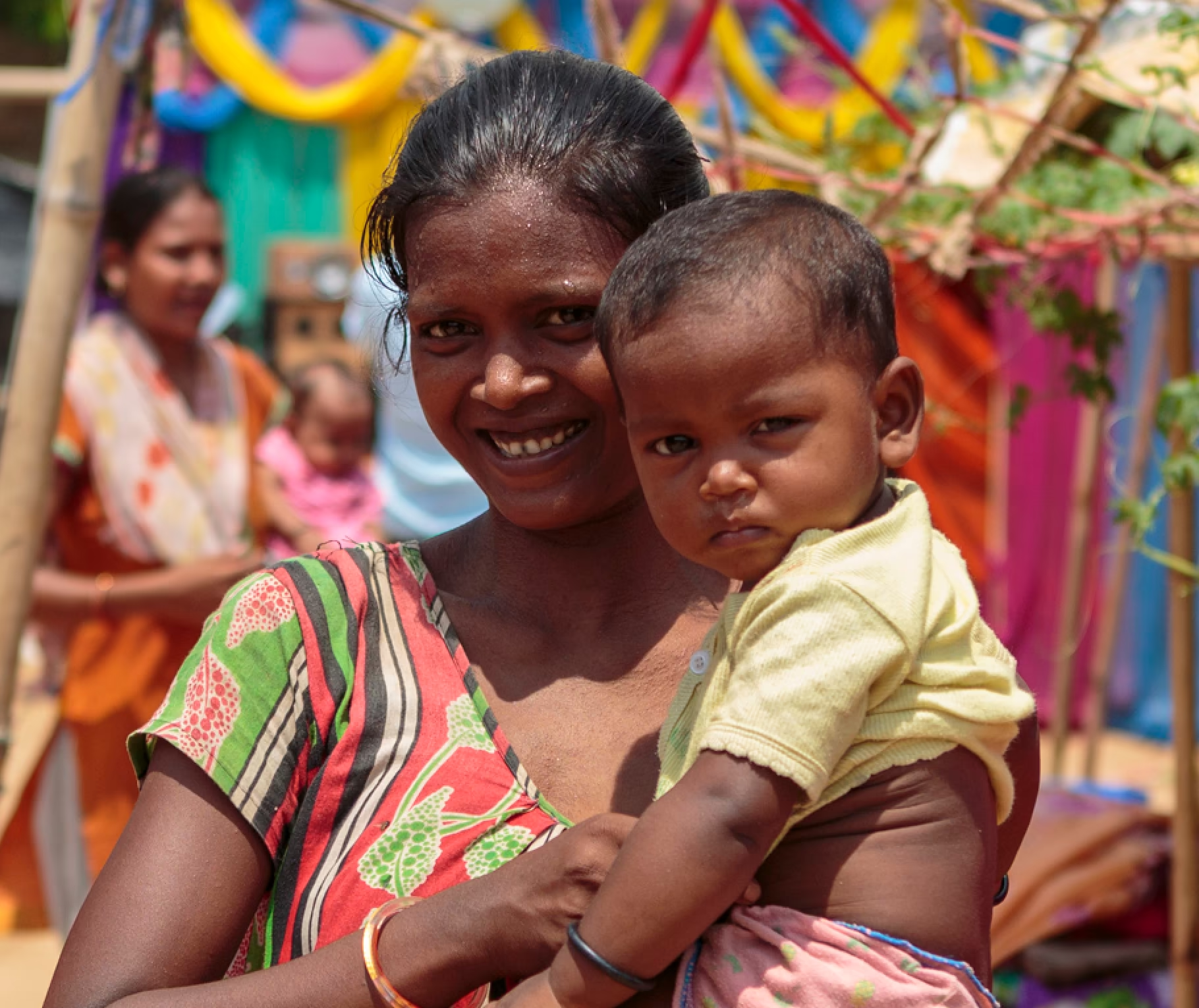
The Commission defines pandemic readiness as the whole-of-society capacity to prevent, prepare for, respond to, recover from, and redress the effects of pandemics while protecting people’s wellbeing. It depends not only on surveillance, laboratories, stockpiles, and emergency plans, but also on trusted institutions, resilient health and social systems, secure livelihoods, and effective government, which are trusted by communities able to shape decisions. Readiness is ultimately demonstrated by whether people and communities are protected in practice through governmental systems that are held accountable.
The Commission
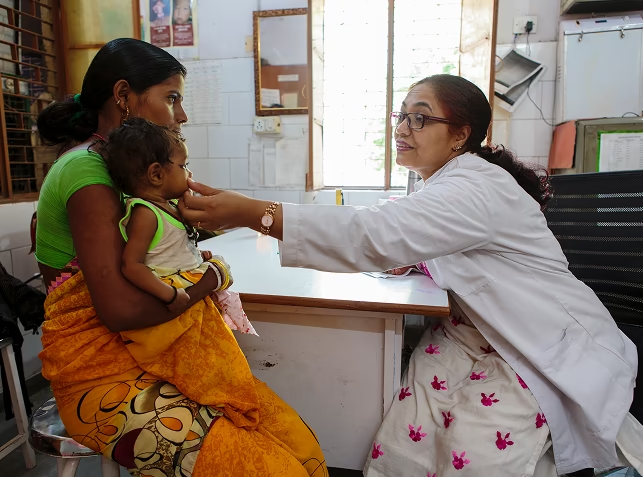
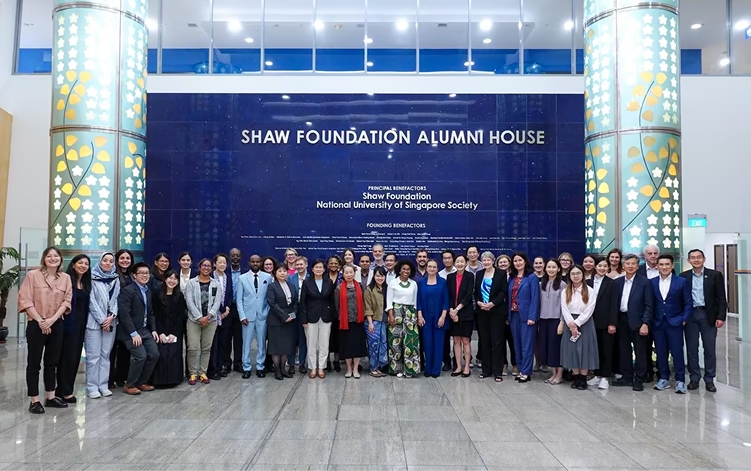
Co-Chaired by the Right Honourable Helen Clark and Helena Legido-Quiqley, the Commission is comprised of 41 multidisciplinary Commissioners, a scientific coordination team, next generation scholars, and country coordinators and research teams across 20 countries.
What’s Next?
PRIME is designed to move from recommendations to action. Through the proposed PRIME Collective, the Commission will work with countries and communities to adapt the approach to different contexts, apply the PRIME Foundational Blocks and PRIME Test to real policies, plans and investments, and identify practical ways to strengthen readiness.
Frequently Asked Questions
The NUS–Lancet PRIME Commission was established to answer a key question: how could pandemic preparedness extend beyond plans on paper to ensure that all people were actually protected in a health crisis? The Commission set out to understand how and why protection broke down in the COVID-19 pandemic, and propose practical ways those weaknesses could be overcome.
A new pandemic could arise at any time, and the world must be better prepared than it was for COVID-19, which led to some 22 million excess deaths and severe damage to livelihoods and wellbeing. Today, national pandemic readiness is being tested all the time – by Mpox, Andes Hantavirus and Ebola Bundibugyo. Governments, working together with one another, have to ensure plans actually protect everyone in practice.
PRIME redefines pandemic readiness through the lens of equitable protection for all, before, during and after a health crisis. It provides a diagnosis of the ten areas that must be addressed in planning; the six PRIME Foundational Blocks to help countries build readiness, and the PRIME Test to stress-test whether policies, plans and investments will result in the equitable protection of people in crisis.
The NUS–Lancet PRIME Commission brought together 41 multidisciplinary Commissioners, a scientific coordination team, next generation scholars, and country coordinators and research teams across 20 countries. At the heart of the work was listening directly to people and communities often missed by traditional preparedness assessments, including older people, migrants, Indigenous and racialised communities, people with disabilities, women and gender diverse people, informal and frontline workers, and people living in rural, remote and underserved settings.
The Commission’s conclusions draw on research involving 819 participants across 20 countries, whole-of-society stakeholder research at 3 levels: government, civil society, and private-sector, six evidence reviews, future scenarios, and epidemiological modelling. The work brought together expertise in infectious diseases, health emergencies, health systems, governance, social protection, and community engagement. By connecting lived experience with systems analysis and evidence on how future pandemics could unfold, the Commission identified where protection breaks down, why these failures reoccur, and what governments, institutions, and communities can do differently.
PRIME is designed to move from recommendations to action. Through the proposed PRIME Collective, the Commission will work with countries and communities to adapt the approach to different contexts, apply the PRIME Foundational Blocks and PRIME Test to real policies, plans and investments, and identify practical ways to strengthen readiness.
The next phase will also support learning, measurement and accountability — developing indicators, sharing lessons across countries and refining the approach as it is put into practice. The aim is not another global checklist, but a practical process that helps countries identify where protection could break down and strengthen those weaknesses before the next crisis hits.
Our Partners