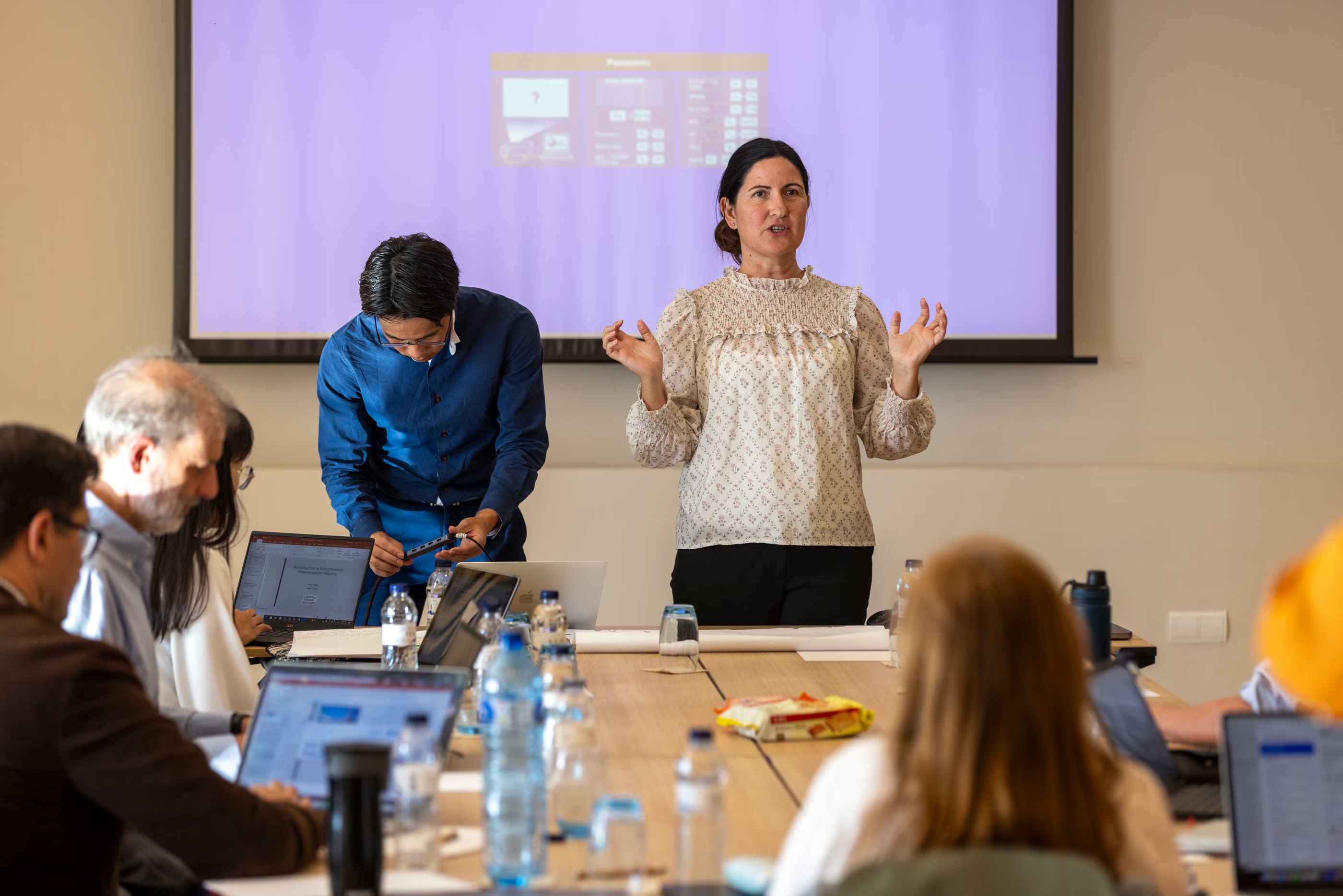
In-person meeting of The NUS-Lancet PRIME Commission, 21st -24th October 2024, Spain
The NUS-Lancet PRIME Commission convened a four-day Hackathon in Sitges, Spain, from 21–24 October 2024, bringing together Commissioners, members of the Scientific team and guest experts. The meeting provided an opportunity to align the Commission’s vision, methodologies and workstreams, review findings from country case studies, and learn from experts on pandemic preparedness indicators, trust, gender, Indigenous research, global governance and community engagement.
A key outcome was greater clarity on the Commission’s intended contribution to pandemic preparedness and response. The Commission aims to develop a focused and comprehensive set of indicators that complements, rather than replaces, existing frameworks such as the WHO Joint External Evaluation (JEE) and the Global Health Security Index (GHSI). The indicators will address gaps in current measurement approaches, particularly areas such as trust, equity, governance, coordination, leadership, One Health, agility and adaptability. They will include core, aspirational and contextualised elements and, where appropriate, dynamic measures that can capture changes over time and across different country settings.
The Hackathon also reinforced the importance of placing people and communities at the centre of pandemic preparedness. Findings from the England and Uruguay country case studies highlighted the experiences of vulnerable populations and the importance of trust, inclusive governance, effective communication, interdisciplinary collaboration and responsive health systems. Discussions on feminist approaches and culturally safe research further emphasised the need to recognise diverse lived experiences and meaningfully involve marginalised and Indigenous communities in developing indicators. The Commission seeks to bridge the gap between high-level policy and community realities, producing indicators and practical guidance that can support policymakers, One Health professionals and communities in protecting lives and livelihoods.
Looking ahead, the Scientific team will strengthen the Commission’s methodology and protocol, undertake systematic reviews and gap analyses, refine the country's case study approach, and develop a clear roadmap for indicator development and validation. The Commission will also expand engagement with Commissioners, communities and external partners, establish an advisory board, explore funding opportunities and advance its communication strategy. The longer-term goal is to deliver an adaptable monitoring and evaluation framework, toolkit and actionable recommendations, with the Commission’s work planned for global launch in 2026.